


Châteaux et Eglises du Moyen Age au Liban
$ 115.00
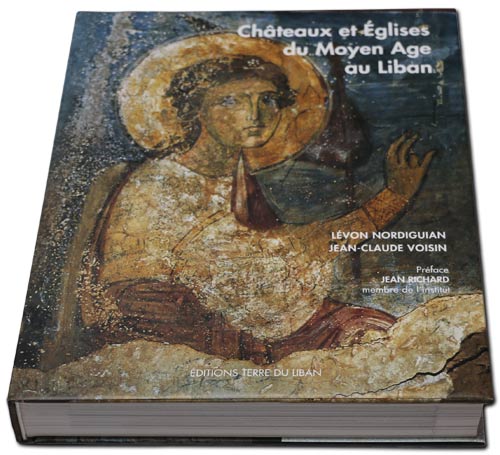
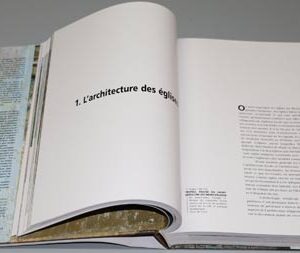
Châteaux et Eglises du Moyen Age au Liban par Levon Nordiguian et Jean-Claude Voisin. 10 ans après – 3eme édition 2009 – 5 nouvelles églises découvertes. 30.5 x 24.50 x 4 cm – Hard cover 3 kgs – 453 pages.


100% Made in Lebanon - صنع في لبنان
- Description
- Shipping & Return
Description
LebanonPostcard presents the Book:
Châteaux et Eglises du Moyen Age au Liban par Levon Nordiguian et Jean-Claude Voisin.
10 ans après – 3eme édition 2009 – 5 nouvelles églises découvertes – 30.5 x 24.50 x 4 cm – Hard cover 3 kgs – 453 pages – Editions Terre du Liban.
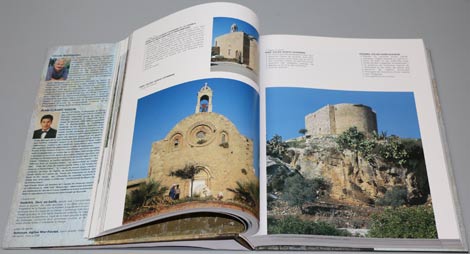
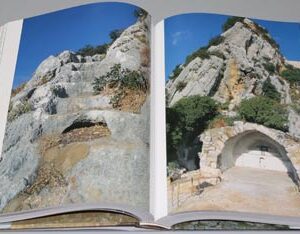
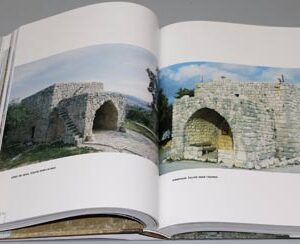
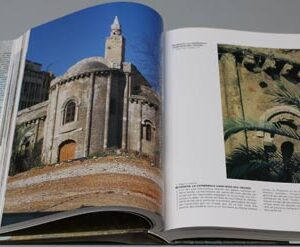
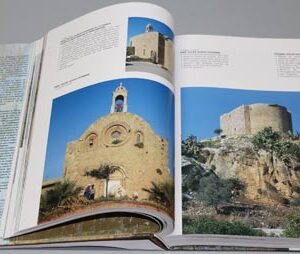
L’ouvrage aborde le Moyen Age libanais par le biais des châteaux et des églises.
Les châteaux du Moyen Age au Liban peuvent se définir selon les critères suivants: Variété, difficultés d’interprétation, éparpillement mais aussi ruralité. Mais à part les grandes cités du littoral, fortifiées depuis la plus haute Antiquité et reconstituées par chacun des nombreux envahisseurs, le phénomène fortifié au Liban reste mal connu. Quelle est la politique arabe des fortifications aux époques fatimide, ayyoubide, mamelouke? Quel rôle et quelle place attribuer aux Croisés dans cet embrouillamini de superpositions architecturales? Quelle est la situation des points fortifiés à l’intérieurs des terres, en altitude? Fonction de défense, de sécurisation, de commandement, d’organisation économique du territoire? Ces “châteaux” ont été pour la plupart des lieux de vie, des personnages en on marqué certaines étapes. Autant de questions qui restent à approfondir.
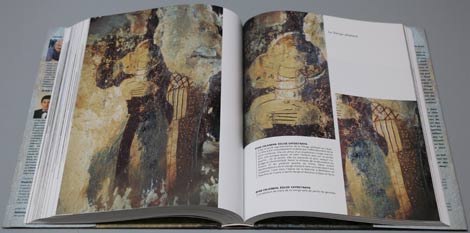
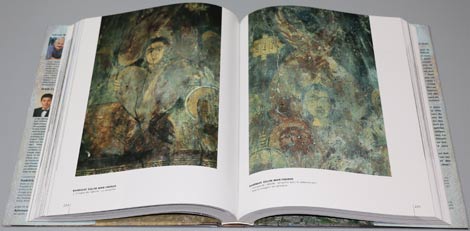
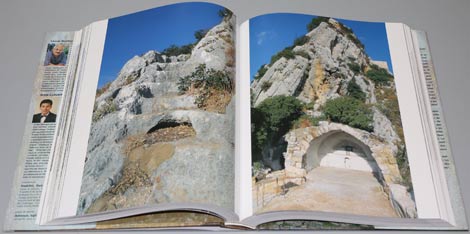
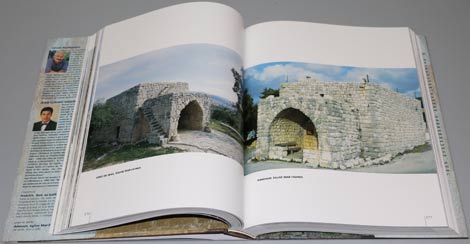
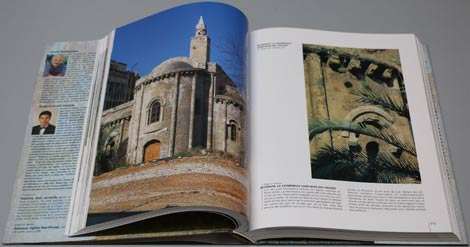
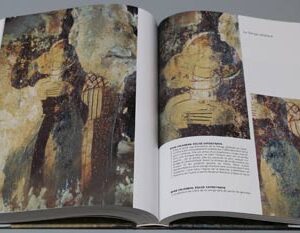
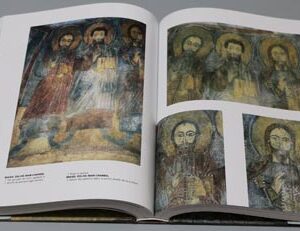
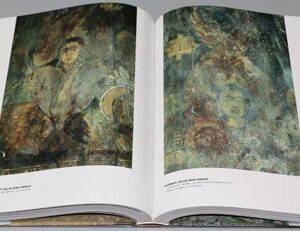
L’irruption des Croisés, marque une rupture dans l’évolution de l’architecture religieuse de la côte levantine; les villes du littoral se parent alors de belles églises construites d’après les normes de l’art du Moyen Age occidental. Il en est ainsi des églises de Tripoli, de Jbail, Beyrouth, etc… Mais en milieu rural, on continue à construire de petites chapelles suivant les traditions locales, installées souvent sur les ruines de monuments antiques. La plupart de ces chapelles, d’aspect massif, étaient décorées de fresques qui s’inscrivent dans une tradition byzantine. Une attention particulière sera accordée à ces édifices si peu connus.
Le livre se veut avant tout une incitation aux ballades à travers le pays pour se familiariser avec les pratiques et les logiques des châteaux et des églises, mais aussi pour découvrir un “autre Liban”, celui des héritages.
Sommaire
Préface de Jean Richard
Le Liban des Châteaux par Jean-Claude Voisin
1- Introduction au phénomène fortifié médiéval au Liban
– La géographie et l’histoire rendent la lecture difficile
– Les fortifications des hautes périodes médiévales
– Les enceintes urbaines du littoral
2- L’occupation franque (XIIème – XIIIème siècles)
– Conquête et organisation du territoire franc (1099 – 1110)
– La redistribution des cartes dans le deuxième quart du XIIème siècles
– Heurts et malheurs
3- Typologie: vers une lecture plus nuancée
– Enceintes urbaines et bourgs castraux
– Les éléments de l’enceinte: Courtines et porteries
– Les éléments de défense: Bretèches, mâchicoulis, archères
– Conclusion: les derniers siècles du Moyen Age
Le Liban des Eglises pare Lévon Nordiguian
1- L’architecture des églises
– Un art roman au Liban
– Les églises d’inspiration occidentale
– Les permanences: les chapelles de village
– Chapelles et ermitages rupestres
2- Le décor peint
– Introduction
– Décor de type Bahdidat
– Les représentations du Christ
– Les représentations de la Vierge
– Saints, moines et stylites
– Les Ethiopiens
– Les croix médiévales
– Conclusion
Guide alphabétique des Châteaux et des Eglises
1- Orientations bibliographiques
2- Lexique de termes techniques
3- Cartes
4- Index alphabétique
LebanonPostcard will be responsible for sending the book you order, through fast courier with a track number, guaranteeing reception of the package. The book may take between two and five days to arrive, according to the country it is sent to.
a. View or Modify What is in Your Shopping Cart.
When in the Shopping Cart area of the site you can view or modify what is in your shopping cart at any time by clicking on the Add More Items/Refresh Totals button along the bottom of your screen.
b. Checking Out and pay for your purchases online.
When you have finished viewing and wish to end your shopping and pay for the items you have selected, click on the Pay & Finish button at the bottom of your screen.
You will be led through a series of secure ordering procedures and will be asked to fill in personal, shipping and payment option information. When this is completed, you will press the Submit Secure Checkout button and your order will be transmitted to LebanonPostcard for fulfillment.
Absolutely not! Right up until the point why you are asked to review the order information you have given us and if it is correct to click on the final Submit Secure Order button, you can abort the order.
If you don't press the Submit Secure Order button then no order information is transmitted to us.
a. Payment by Credit Card
We accept American Express, MasterCard, Visa, Discover, PayPal... etc... for online payments through 2CheckOut.com. Also, arrangements can be made for bank draft and certified check payments by regular post.
b. Payment by Bank Draft and Certified Check
If you would prefer to pay for your purchases by mail, then you have to contact us first so we can give you our account information.
c. We accept as well payment through WesternUnion, RIA, OMT, BOB Finance, Whish Money.
All prices include shipping and handling. LebanonPostcard will be responsible for sending the packages you order, at your charge, through the service D.H.L. / E.M.S. with tracking number code guaranteeing reception of the package.
We ship as soon as possible, but within maximum 4 days after the order is received.
Credit cards are not charged until we actually ship the items. The items may take between one and six days to arrive, according to the country they are sent to.
Packages are sent with track code to guarantee reception, and delay is rare. In the event of non-delivery or delay, nothing can be done for 7 days. At the end of this period, on our being informed, a demand will be made for the package to be traced. If 14 days after the first dispatch there is still no delivery, a second package will be sent free.
Packages inside Lebanon are sent registered through LibanPost to guarantee reception, and delay or non-delivery is rare. In the event of non-delivery, nothing can be done for 6 days. At the end of this period, on our being informed, a demand will be made to LibanPost for the package to be traced. If 12 days after the first dispatch there is still no delivery, a second package will be sent free.
We ship anywhere in the world. Zones and countries we ship to
Yes. You can cancel you order when you receive an email from us confirming your order, you can reply by canceling it.