Beirut Our Memory – Beyrouth, Notre Mémoire – بيروت ذاكرتنا
Price range: $ 102.00 through $ 109.00
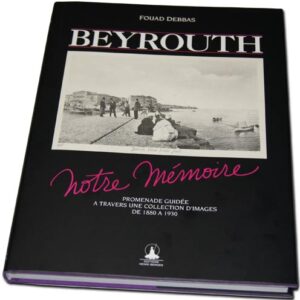
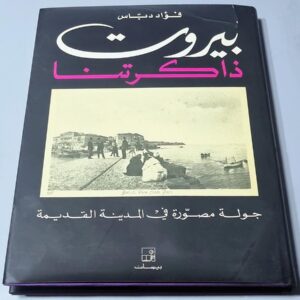
Book – Beirut Our Memory – Livre: Beyrouth, Notre Mémoire. Collection d’images de 1880 à 1930. Fouad Debbas – بيروت ذاكرتنا لفؤاد دباس

100% Made in Lebanon - صنع في لبنان
- Description
- Shipping & Return
Description
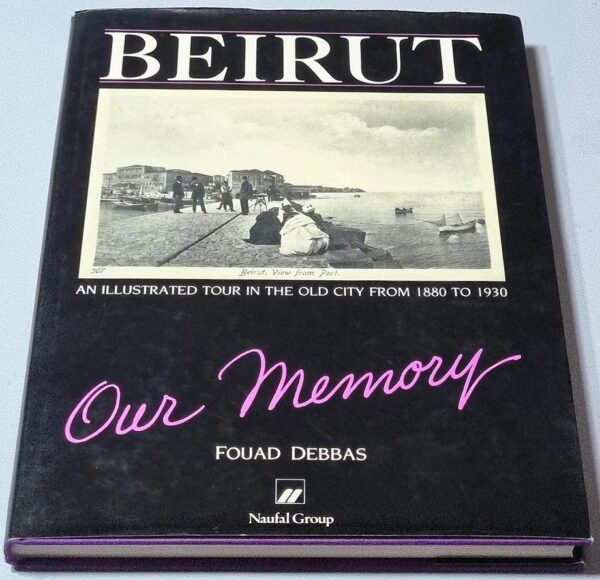
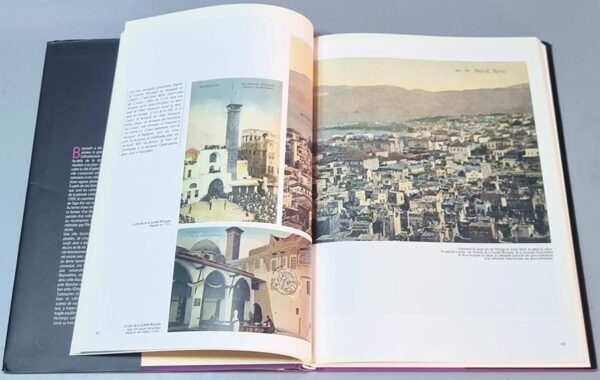
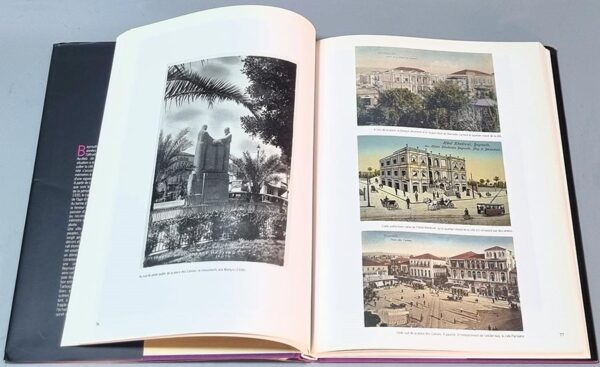
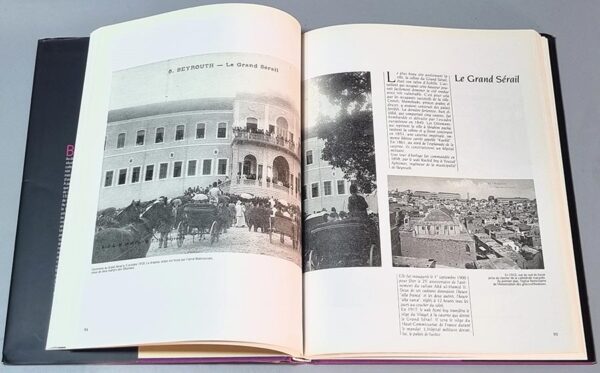
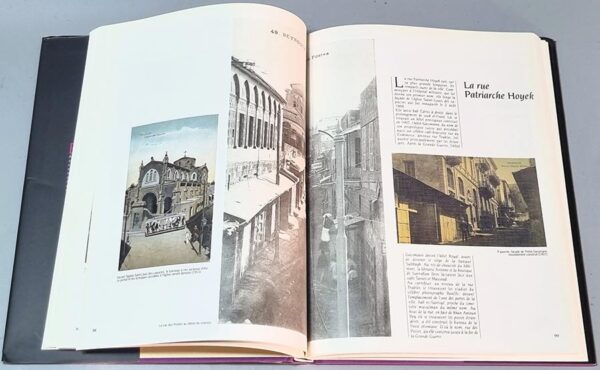
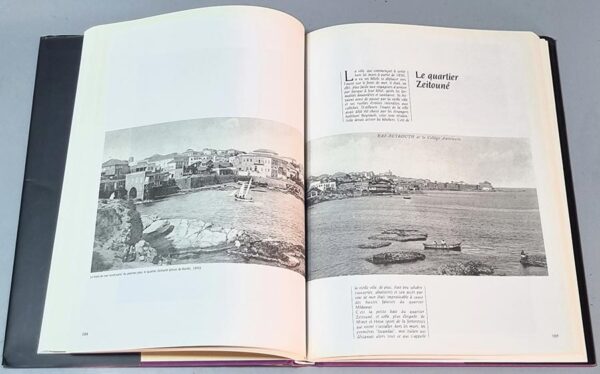
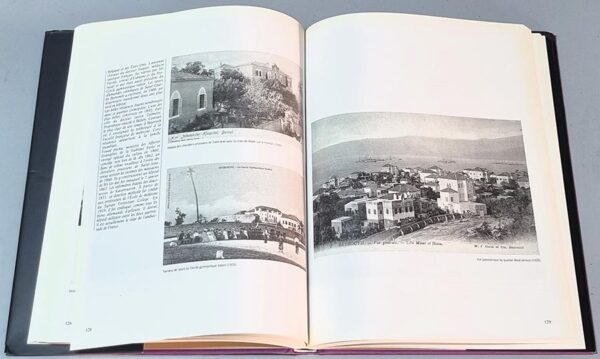
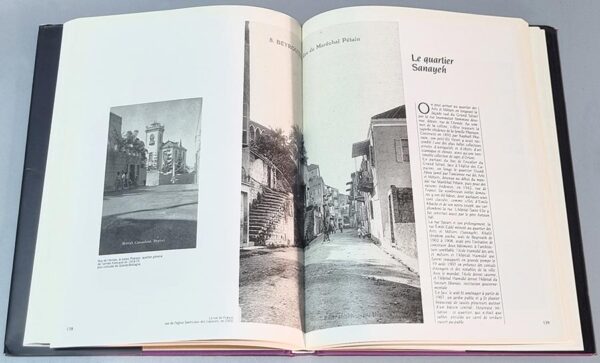
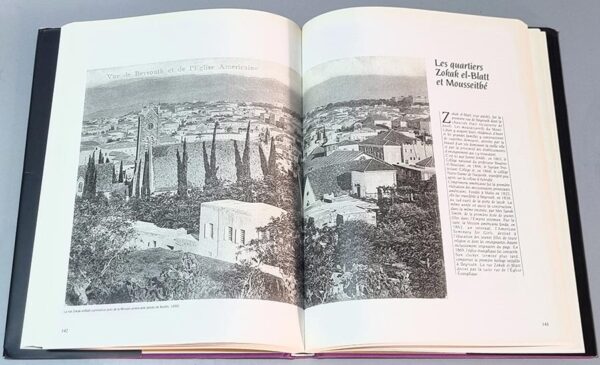
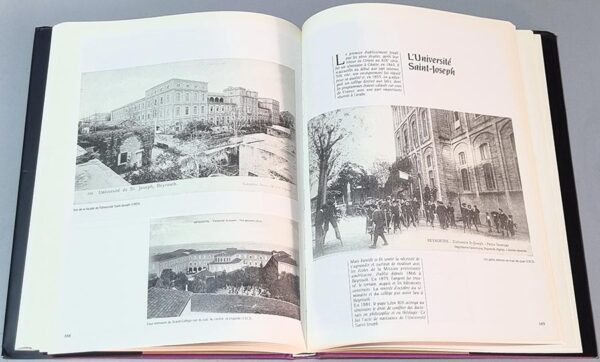
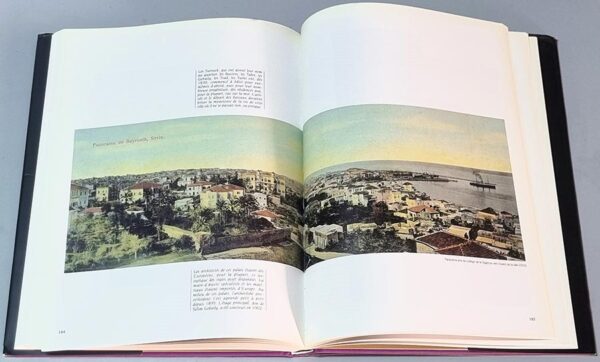
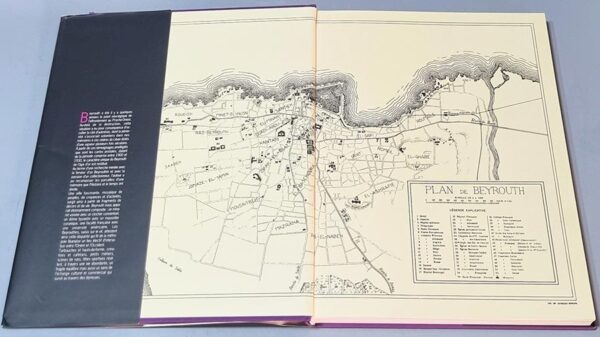
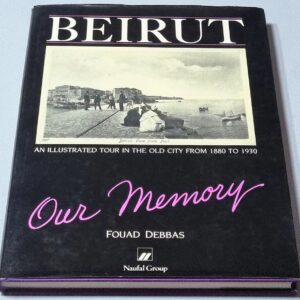
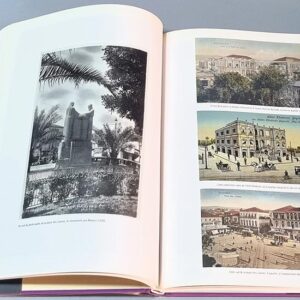
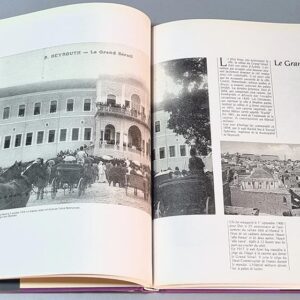
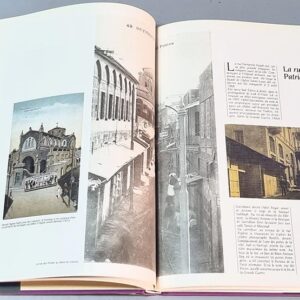
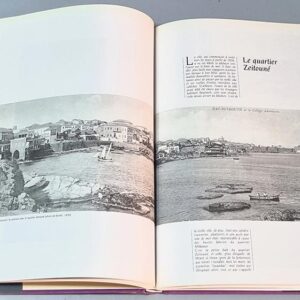
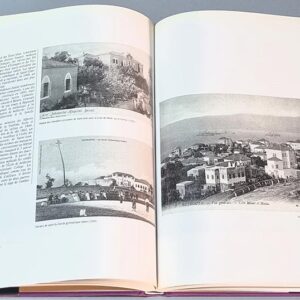
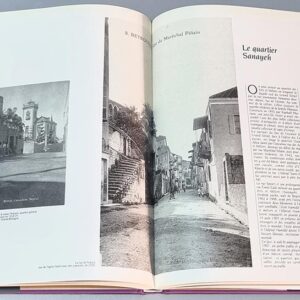
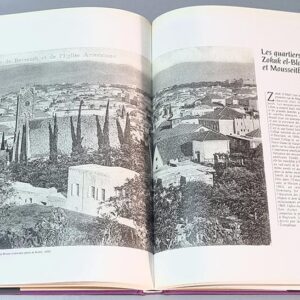
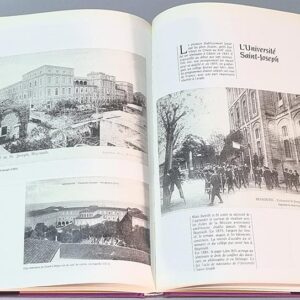
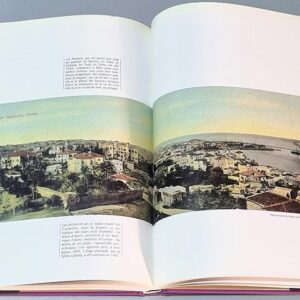
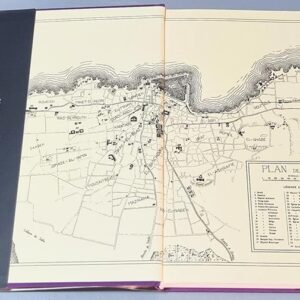
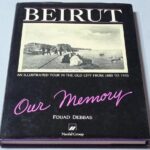
LebanonPostcard presents the book Beirut Our Memory – An illustrated tour in the old city from 1880 to 1930 – Fouad Debbas – Naufal Group, 33 x 25 x 2.3 cm, 258 pages – 2 kgs (Used clean book)
The Lebanon of Postcards
There are certain doors which can open to reveal the vastness of history, and which broaden the scope of a man’s vision. I was lucky enough to half-open one of these doors, one day in May 1974. Walking along the banks of the Seine in Paris, my eyes fell on some old postcards of France displayed in a book-stall. I asked the owner if he had any cards showing foreign countries, in particular my own, which is the Lebanon. I returned home enraptured with some fifty cards, bought for the sum of twenty five francs.
Yet behind every collector hides an unconscious exhibitionist. In a fit of exhibitionism I have decided to publish a selection of my postcards in the present volume. I do not claim that this album is complete; every collection has gaps. For instance, there is always one card missing that another collector will not lend you; and in general, postcard publishers show a marked preference for subjects which are likely to sell well – such as famous monuments and landscapes, or tourist beauty spots. So I beg my readers’ indulgence if this album fails to do full justice to Beirut.
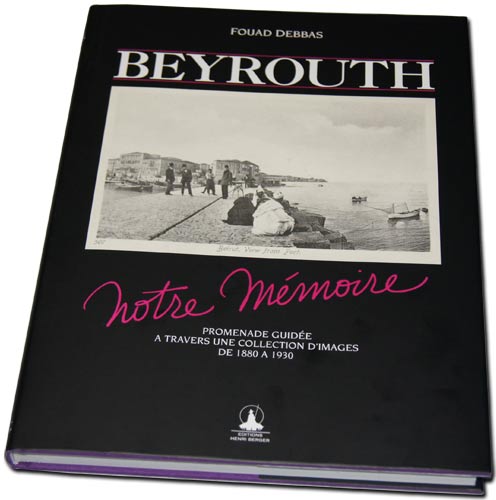
Beyrouth, Notre Mémoire – Promenade guidée à travers une collection d’images de 1880 à 1930. Fouad Debbas, Editions Henri Berger, 33 x 25 x 2.3 cm – 258 pages
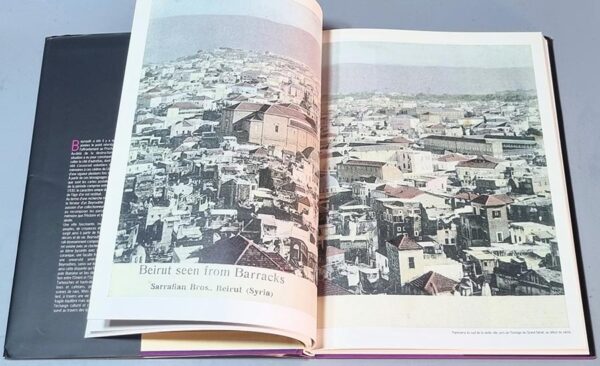
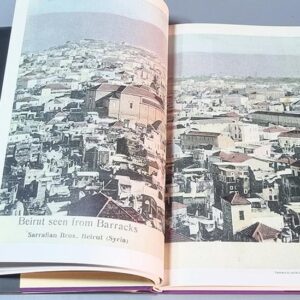
Beyrouth a été il ya quelques années le point névralgique de l’affrontement au Proche-Orient. Au delà de la destruction, cette situation a eu pour conséquence d’occulter la cité d’autrefois, dont la pérennité s’associait volontiers dans nos mémoires à ces cèdres du Liban dotés d’une vigueur plusieurs fois séculaire. A partir de ces témoignages privilégiés que sont les cartes postales, datant de la période comprise entre 1900 et 1930, le caractère unique du Beyrouth de l’âge d’or est restitué.
Au terme d’une recherche menée avec la ferveur d’un Beyrouthin et avec la passion d’un collectionneur, l’auteur a pu recomposer les parcelles d’une mémoire que l’Histoire et le temps ont abolie.
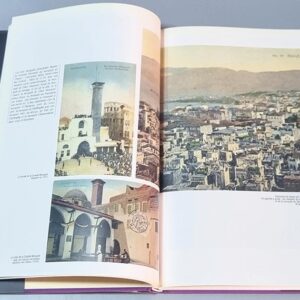
Une ville fascinante, mosaïque de peuples, de croyances et d’activités, surgit ainsi à partir de fragments de décors et de vie. Beyrouth nous apparait étonnamment composite: Un minaret voisine avec un clocher conventuel, un dôme byzantin avec un mausolée coranique, une faculté française avec une université américaine. Les Beyrouthins, saisis sur le vif, attestent ainsi cette disparité qui fit de métropole libanaise un lieu électif d’interaction entre l’Orient et l’Occident.
Tarbouches et hauts-de-formes, crinolines et cafetans, petits métiers, scènes de rues, fêtes sportives révèlent, à travers une vie abondante, un fragile équilibre mais aussi un sens de l’échange culturel et commercial qui survit au travers des épreuves.
Un demi-siècles de la vie d’une ville et un demi-siècles de la vie d’un homme. C’est la conjonction heureuse de ce livre.
A Beyrouth, au début des années trente, naissait Fouad Dabbas. Il est issu d’une famille de très ancienne notoriété qui a compté trois patriarches d’Antioche.
De formation scientifique – licencié ès sciences et ingénieur de l’Ecole centrale de Paris – il assure avec ses frères, dès 1960, la direction de l’entreprise familiale.
Depuis vingt ans, il a également constitué la plus importante collection privée au monde de cartes postales et de photos anciennes de son pays, la mélancolique fascination des premières acquisitions ayant peu à peu fait place à l’efficacité lucide du collectionneur. Une nostalgie du Liban ancien et heureux? Non.
Mais une volonté de prendre toute sa part aux efforts accompli pour que continue de vivre un pays essentiel à la paix et au progrès du monde méditerranéen.
Dans cette ouvrage, les mots n’ont pas grande importance; ce sont les vues qu’ils commentent que l’ont doit regarder afin de comprendre la générosité d’une homme et l’orgueil d’un peuple.
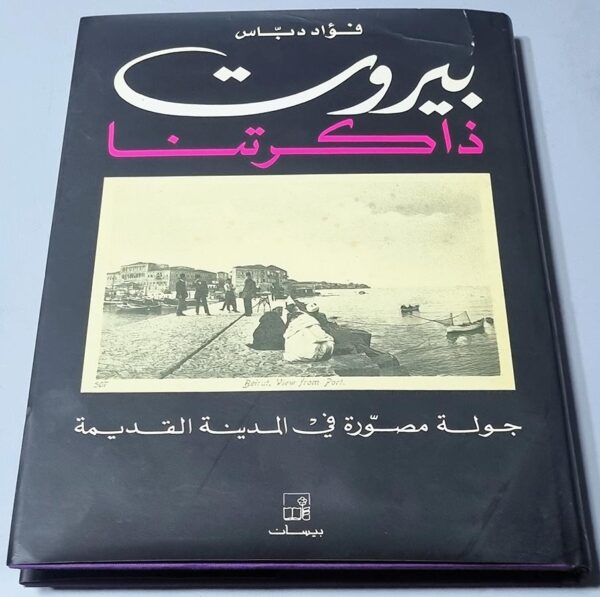
بيروت ذاكرتنا لفؤاد دباس – جولة مصورة في المدينة القديمة – كتاب قديم ولكنه نظيف من الداخل
كانت بيروت في الآونة الأخيرة مركز المواجهة بين القوى الاقليمية والعالمية في الشرق الأدنى. هذا الوضع كاد يُدخل المدينة القديمة إلى عالم النسيان، هذه المدينة العريقة التي ساعدت أشجار الأرز على نقشها في ذاكرتنا رمزًا لديمومة لبنان.
إنطلاقا من هذه المشاهد الفريدة، في بطاقات بريدية تعود إلى الفترة الممتدة بين سنتي 1880 و 1930، يعود إلينا بعض من وجه بيروت في عصرها الذهبي.
هذه اللوحة التاريخية رسمها المؤلف بدأب وشغف واهتمام. فهو ابن بيروت ومن هواة التاريخ. أحب المدينة الساحرة، ذلك الخليط الفريد من الشعوب والمعتقدات والمواهب، وها هي تبدو لنا، في هذه الجولة التاريخية، مجموعة زاهية في تباينها الفني. هنا مئذنة تجاور كنيسة، وهناك قبة بيزنطية إلى جانب ضريح إسلامي، وثمة جامعة فرنسية وأخرى اميركية والبيروتيون. هذه الصور، كأنهم يتحركون أمامنا في تنوع خلّاق جعل العاصمة اللبنانية محورًا للتلاقي والتفاعل بين الشرق والغرب.
طرابيش وقبعات رسمية قنابيز وقفاطين صناعات يدوية شوارع ومشاهد حفلات رياضية إنها معالم حياة زاخرة تنم عن توازن دقيق هو ظاهرة مدهشة لحياة ثقافية وتجارية استمرت بالرغم من التجارب والمحن والصعاب.
a. View or Modify What is in Your Shopping Cart.
When in the Shopping Cart area of the site you can view or modify what is in your shopping cart at any time by clicking on the Add More Items/Refresh Totals button along the bottom of your screen.
b. Checking Out and pay for your purchases online.
When you have finished viewing and wish to end your shopping and pay for the items you have selected, click on the Pay & Finish button at the bottom of your screen.
You will be led through a series of secure ordering procedures and will be asked to fill in personal, shipping and payment option information. When this is completed, you will press the Submit Secure Checkout button and your order will be transmitted to LebanonPostcard for fulfillment.
Absolutely not! Right up until the point why you are asked to review the order information you have given us and if it is correct to click on the final Submit Secure Order button, you can abort the order.
If you don't press the Submit Secure Order button then no order information is transmitted to us.
a. Payment by Credit Card
We accept American Express, MasterCard, Visa, Discover, PayPal... etc... for online payments through 2CheckOut.com. Also, arrangements can be made for bank draft and certified check payments by regular post.
b. Payment by Bank Draft and Certified Check
If you would prefer to pay for your purchases by mail, then you have to contact us first so we can give you our account information.
c. We accept as well payment through WesternUnion, RIA, OMT, BOB Finance, Whish Money.
All prices include shipping and handling. LebanonPostcard will be responsible for sending the packages you order, at your charge, through the service D.H.L. / E.M.S. with tracking number code guaranteeing reception of the package.
We ship as soon as possible, but within maximum 4 days after the order is received.
Credit cards are not charged until we actually ship the items. The items may take between one and six days to arrive, according to the country they are sent to.
Packages are sent with track code to guarantee reception, and delay is rare. In the event of non-delivery or delay, nothing can be done for 7 days. At the end of this period, on our being informed, a demand will be made for the package to be traced. If 14 days after the first dispatch there is still no delivery, a second package will be sent free.
Packages inside Lebanon are sent registered through LibanPost to guarantee reception, and delay or non-delivery is rare. In the event of non-delivery, nothing can be done for 6 days. At the end of this period, on our being informed, a demand will be made to LibanPost for the package to be traced. If 12 days after the first dispatch there is still no delivery, a second package will be sent free.
We ship anywhere in the world. Zones and countries we ship to
Yes. You can cancel you order when you receive an email from us confirming your order, you can reply by canceling it.